This week in 30 seconds
- Brand-funded creator spend is now estimated at $116B in 2026, and paid amplification is its biggest slice.
- Instagram lets US creators add Amazon affiliate links straight to Reels and posts.
- Meta brings Content Protection to Instagram to catch copies of original videos.
- Snapchat opens AI creator matching to brands in its Creator Network.
- SharkNinja shows what an always-on creator programme looks like at scale.
Every week we pick the influencer marketing news that should change how a brand plans, buys or measures creator campaigns, and skip the rest. Here are the five stories from November 16–29, 2026, with what each one means for your next brief.
1. Brand-funded creator spend hits $116B, and paid media leads
Media agency Madison & Wall published the first of two reports sizing the brand-funded creator economy: $116 billion in 2026, up 15% year on year, and a forecast of $178 billion by 2030. The biggest slice, about 44% (roughly $52B), is paid media that amplifies creator content. Classic sponsored posts and ambassador deals are about 28%. “Asset-led” spend, where brands buy content to reuse, is smaller but growing fastest.
Why it matters: budgets are moving from “pay for a post” to “pay to run creator content as ads”. Usage rights and whitelisting now belong in every creator contract and brief, not in a later negotiation.
Source: Marketing Dive
2. Instagram adds Amazon affiliate links to Reels and posts
US creators in the Amazon Influencer Program can now tag up to 30 Amazon products on a Reel and up to 20 on a feed post. A tap opens the Amazon app, and the creator earns their usual Amazon commission. Meta says it takes no cut and that linked posts get about twice the clicks of a link in bio. No word yet on other countries.
Why it matters: for brands that sell on Amazon, Instagram creator content can now be tied to purchases far more directly, which makes affiliate and hybrid pay models easier to justify. It also changes measurement: part of your creator-driven sales will show up in Amazon reports, not on your site. Our influencer ROI guide covers how to count them.
Source: Engadget
3. Meta brings Content Protection to Instagram
Eligible creators can now enrol in Content Protection, which automatically detects visual copies of their original videos on Instagram. Meta is also testing a transcript match with a small group of creators to flag copies even when AI has altered the visuals.
Why it matters: reposted and AI-cloned copies quietly take views away from the content you paid for. When you commission original video, ask creators whether they use content protection, and agree in the brief who reports copies.
Source: Social Media Today
4. Snapchat opens AI creator matching to brands
Creator discovery in the Snap Creator Network is now in open beta: brands describe the creator they want and get AI-matched candidates to compare, message or boost. New “Visited By” markers on Snap Map connect places to creator posts, and Snap’s agency partner programme now has two tiers in the US, UK and MENA.
Why it matters: another self-serve way to find creators, and a useful local channel for retail, restaurants and travel. Platform matching only sees one platform, though, so vet audiences across all the places a creator posts before you book.
Source: Social Media Today
5. SharkNinja scales an always-on creator programme
SharkNinja runs two creator programmes side by side: “First Fans” for employees and “Storytellers” for customers and outside creators, rewarded with commissions, perks and early product access. The company reports more than 200,000 posts about its products this year and over 19 billion impressions.
Why it matters: it shows the shift from one-off influencer bursts to a permanent mix of employees, customers and paid creators. At that volume, the hard part is no longer finding creators but deciding which ones to keep paying.
Source: Marketing Dive
Five stories, one number worth remembering, in your inbox in five minutes.
FAQ
What are the biggest influencer marketing trends right now?
More creator content is being run as paid ads, social platforms are adding direct shopping and affiliate links, and brands are moving from one-off campaigns to always-on creator programmes.
How big is influencer marketing in 2026?
Estimates depend on what is counted. Madison & Wall puts the brand-funded creator economy at $116 billion in 2026, including paid amplification of creator content.
How often is this digest published?
Every Monday. Subscribe to The Monday Brief on the blog page to get it by email.
Written by
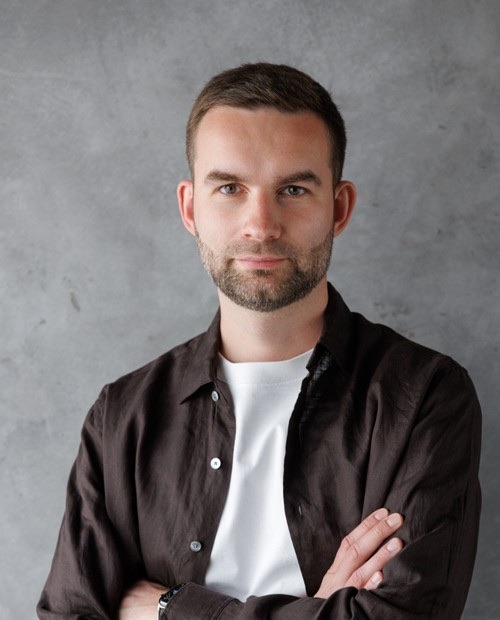
Dima BesedaCo-founder, Spiry · Limassol, Cyprus
Serial entrepreneur and co-founder of Spiry. Dima built Overgear to $40M ARR and has managed more than $25M in influencer spend. At Spiry he leads growth.